Image Effect

Spices & Chef’s Table

A Journey into Sri Lanka’s Culinary Soul

    Rising approximately 180 metres above the surrounding plains, the Sigiriya Rock Fortress stands as one of Sri Lanka’s most awe-inspiring heritage sites. Built during the reign of King Kashyapa I (477-495 CE), this ancient citadel was the royal capital of the island for a brief but spectacular era. Now listed as a UNESCO World Heritage Site, it is often described as the “Lion Rock” — a masterpiece of architecture, water-engineering and landscape design.
    For travellers from Europe and China seeking a destination where history, nature and culture converge, Sigiriya offers an extraordinary experience. With relatively short transfer times from Colombo or major resorts, a structured climb to the summit, vivid frescoes and sweeping jungle views, it is the perfect addition to a Sri Lankan itinerary built by Serandis.

    But Sigiriya is more than history—it is a gateway to Sri Lanka’s rich wetlands and natural ecosystems, which together cover around 15% of the country’s land area. Wetlands such as Muthurajawela Marsh, Anawilundawa Sanctuary, Bundala National Park, and the wetlands surrounding Sigiriya itself, provide habitats for over 240 species of birds, 50 species of fish, and 100 species of butterflies, along with endangered animals like the fishing cat and the purple-faced langur. Recognized under the Ramsar Convention, Sri Lanka’s wetlands are not only biodiversity hotspots but also vital to flood control, water purification, and supporting traditional village life.

    For travelers seeking both cultural depth and natural immersion, Sigiriya Rock Castle combined with Sri Lanka’s wetlands offers a rare dual experience: the chance to explore a 1,500-year-old masterpiece of human ingenuity alongside living landscapes teeming with life. Few destinations in the world allow you to walk through an ancient citadel in the morning and glide through untouched marshlands by evening—all within a few hours of travel. it sits within a living natural landscape where wetlands play a crucial role in sustaining biodiversity and communities. Sri Lanka’s wetlands cover nearly 15% of the island’s surface area, and several have been declared internationally significant under the Ramsar Convention. These wetlands are ecological treasures that support remarkable biodiversity while offering visitors immersive encounters with nature.

    • Muthurajawela Marsh (near Negombo): A coastal wetland stretching over 6,000 hectares, known for its mangroves and salt marshes. It is home to more than 190 bird species, 40 species of fish, and mammals such as the endangered fishing cat.
    • Anawilundawa Sanctuary (Northwestern Province): A unique man-made wetland system dating back to the 12th century, now a Ramsar site. It provides sanctuary for over 150 bird species, including migratory flocks that arrive seasonally.
    • Bundala National Park (Southern Coast): Sri Lanka’s first Ramsar site and a UNESCO Biosphere Reserve. Its lagoons and salt pans host up to 20,000 migratory waterbirds, including flamingos, while also sheltering elephants, crocodiles, and marine turtles.
    • Koggala & Maduganga Wetlands (Southern Province): Networks of lakes and mangroves rich in aquatic plants, butterflies, and reptiles, offering boat safaris through tranquil waterways.
    • Sigiriya & Minneriya Wetland Systems (Central Province): Reservoirs and irrigation tanks around Sigiriya not only supported the ancient hydraulic civilization but today attract elephants, wading birds, and a wide array of aquatic life.

    Together, these wetlands support over 240 species of birds, 50 species of fish, 100+ species of butterflies, and several globally threatened animals. They also act as natural flood buffers, water purifiers, and vital lifelines for traditional farming and fishing communities.

    For travelers, this means that a single journey to Sri Lanka combines two worlds: the cultural majesty of Sigiriya Rock Castle and the living, breathing beauty of the island’s wetlands. Few destinations on Earth offer such a seamless union of history and biodiversity—where you can walk through a 1,500-year-old royal fortress in the morning and glide past flamingos, mangroves, and fishing villages by afternoon.
    Read more

    Why Sri Lanka’s Spices & Culinary Tours Are Unique

    1. Authentic Origins:
      Sri Lanka’s cinnamon (Cinnamomum verum) is considered the world’s finest — softer, sweeter, and more aromatic than cassia varieties found elsewhere. The island’s pepper, cardamom, and clove plantations are centuries old, producing small-batch, hand-harvested spices of unmatched purity.
    2. Cultural Fusion:
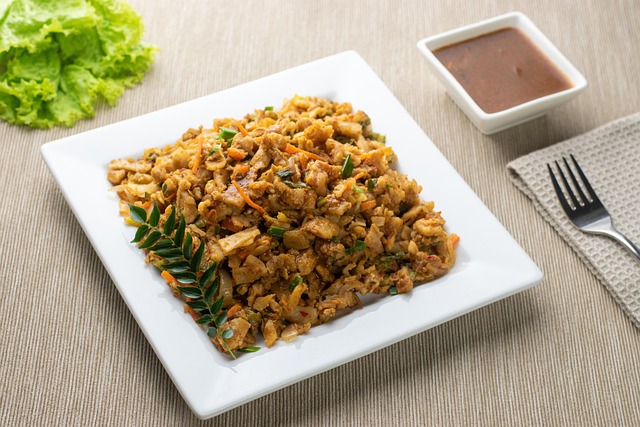
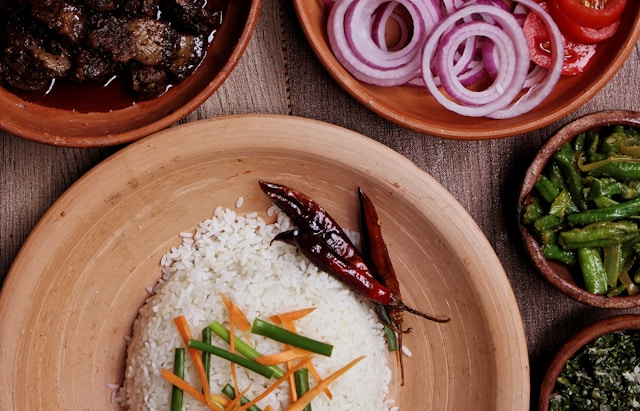
      Sri Lankan cuisine fuses South Asian spices with European and Malay influences, creating bold yet balanced flavors. From rice and curry feasts to lamprais (Dutch-Burgher rice packets) and hoppers (fermented rice pancakes), every dish tells a story of trade, migration, and mastery.
    3. Farm-to-Table Transparency:
      Modern spice estates and boutique resorts in Kandy, Matale, and Galle now open their kitchens to travelers. Guests can tour organic farms, grind their own curry blends, and dine alongside local chefs who share centuries-old recipes.
    4. Ideal for European & Chinese Travelers:
      European travelers often seek cultural depth and culinary authenticity; Chinese travelers are drawn to aroma-rich, spice-forward cuisines — Sri Lanka blends both. With private chef’s tables, tea pairings, and live cooking shows, the island’s dining scene caters perfectly to global palates.
    5. Safety, Access & Comfort:
      Easily accessible from Colombo or major resorts, spice and cooking experiences are guided by certified culinary hosts in air-conditioned facilities or tranquil outdoor spaces — perfect for couples, families, or solo adventurers.

    Best Time to Visit for Spice & Culinary Experiences

    Season

    Experience Highlights

    Notes

    December – April

    Ideal for culinary tours, coastal seafood dining, and chef’s table experiences in the south and west

    Sunny weather, ideal for open-air dining and beachside events

    May – October

    Perfect for visiting hill country spice plantations (Kandy, Matale, Kurunegala)

    Spice gardens in full harvest, scenic drives through lush greenery

    Year-round

    Urban and resort dining experiences, tea and cinnamon tastings

    Most chef’s table restaurants operate year-round

    Famous Sri Lankan Spices & Signature Flavors

    • Ceylon Cinnamon:Sweet, delicate aroma — prized globally for both cuisine and wellness.
    • Black Pepper:Grown in the mid-country; strong and complex flavor.
    • Cloves:From the central highlands — used in curries and desserts.
    • Cardamom:Known as the “Queen of Spices,” aromatic and slightly sweet.
    • Nutmeg & Mace:Adds warmth to meat and seafood curries.
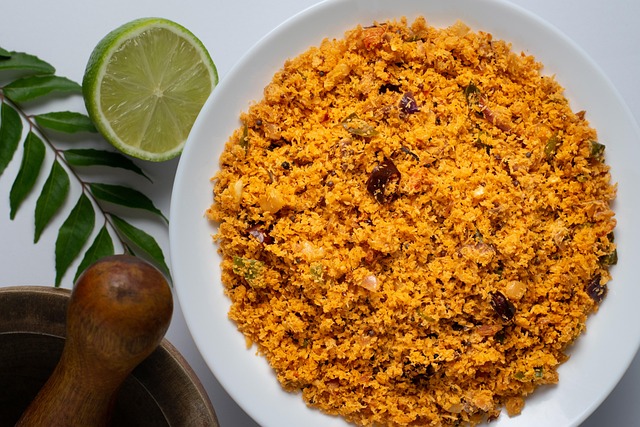
    • Curry Leaves, Pandan & Lemongrass:Local herbs that form the foundation of every dish.
    • Coconut:The base for curries and sambols, connecting flavor and texture.
    Chef’s Table Experiences – Where Flavor Meets Art

    At select partner resorts curated by Serandis, guests can:

    • Watch master chefs prepare seven-course Sri Lankan tasting menus using freshly harvested spices.
    • Participate in “Market-to-Table” journeys, selecting ingredients from local markets or spice gardens before cooking them together.
    • Pair Sri Lankan seafood dishes with Ceylon tea infusionsor tropical cocktails.
    • Enjoy private dining under the stars, overlooking tea fields, lagoons, or heritage courtyards.
    Why European & Chinese Travelers Love It
    • Europeanscherish the slow-cooked authenticity, organic produce, and fine-dining reinterpretations of ancient recipes.
    • Chinese travelersappreciate the rich spice aroma, fresh seafood, and the connection between food and wellness — elements deeply rooted in both Sri Lankan and Chinese culinary philosophies.
    • Both find comfort in Sri Lanka’s welcoming hospitality, cultural warmth, and effortless travel logistics supported by professional guides and multilingual chefs.
    Why Book with Serandis
    • Curated itineraries combining spice trails, cooking classes, and chef’s table experiences.
    • Expert local partnerships with sustainable farms and Michelin-trained chefs.
    • Seamless transfers from airport to resorts and spice estates.
    • Bilingual guides and culinary translators to enhance your experience.
    • Packages combining gastronomy with heritage tours and wellness retreats.
    A Taste You’ll Never Forget
    • From the fiery reds of a seafood curry to the golden scent of cinnamon swirling through the air — Sri Lanka’s spices tell the story of an island that fed the world’s imagination.

      Join Serandis on a journey through its flavors, fields, and kitchens.
      Because here, every meal is more than food — it’s culture served on a plate.

    You might also like...